Catholic News Herald Features Children's Campus Expansion
/There’s a lot to look forward to in 2026 — and one of the things we’re most excited about is what we’re building for our youngest residents.
We’re grateful to the Catholic News Herald for featuring this project in their January 2026 edition, which you can read below.
You can help to make miracles happen at Holy Angels by donating to this project at https://www.growingholyangels.org/
This story was originally published in the Catholic News Herald.
Holy Angels spreads its wings with Children’s Campus Expansion Project
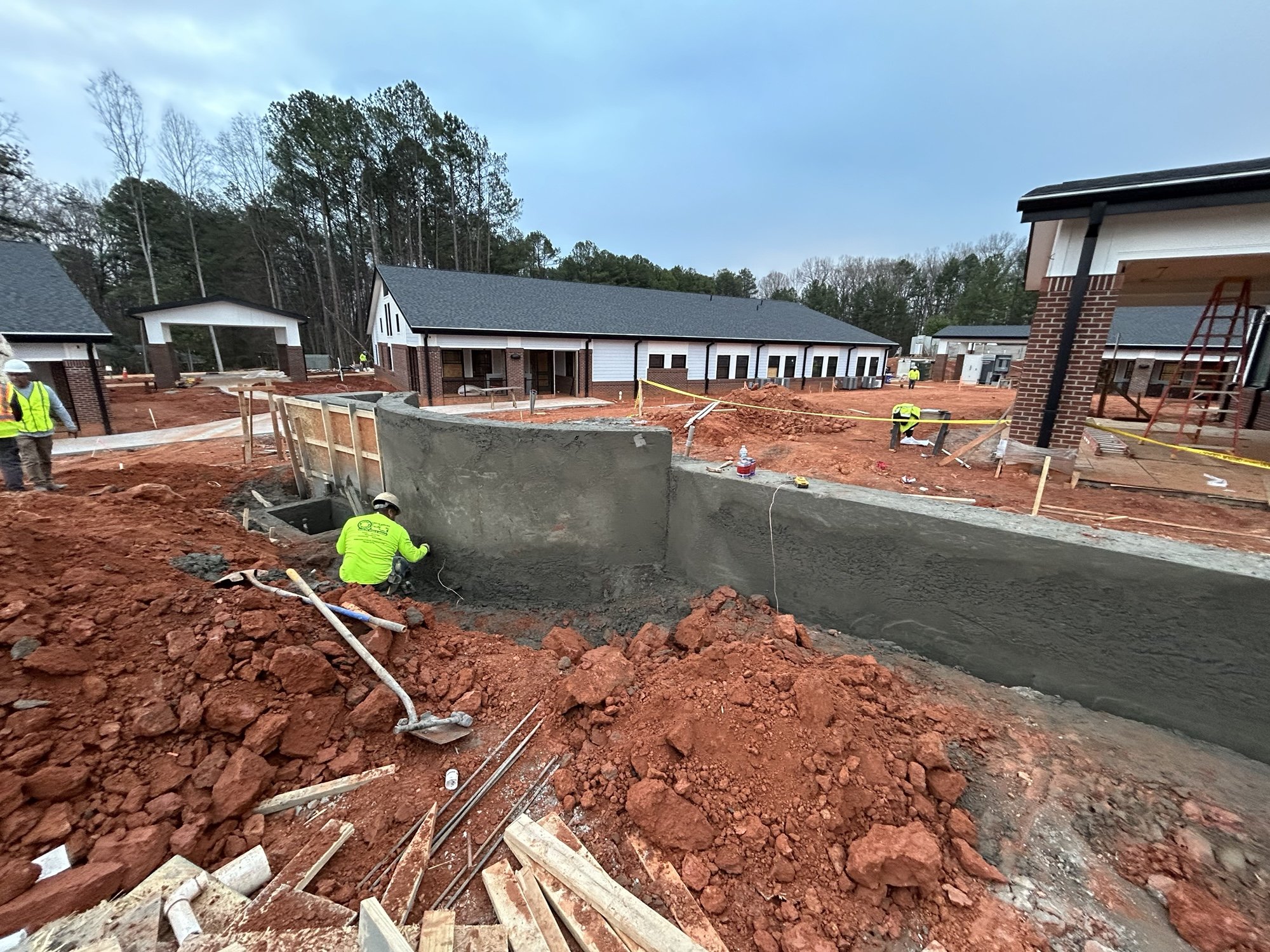
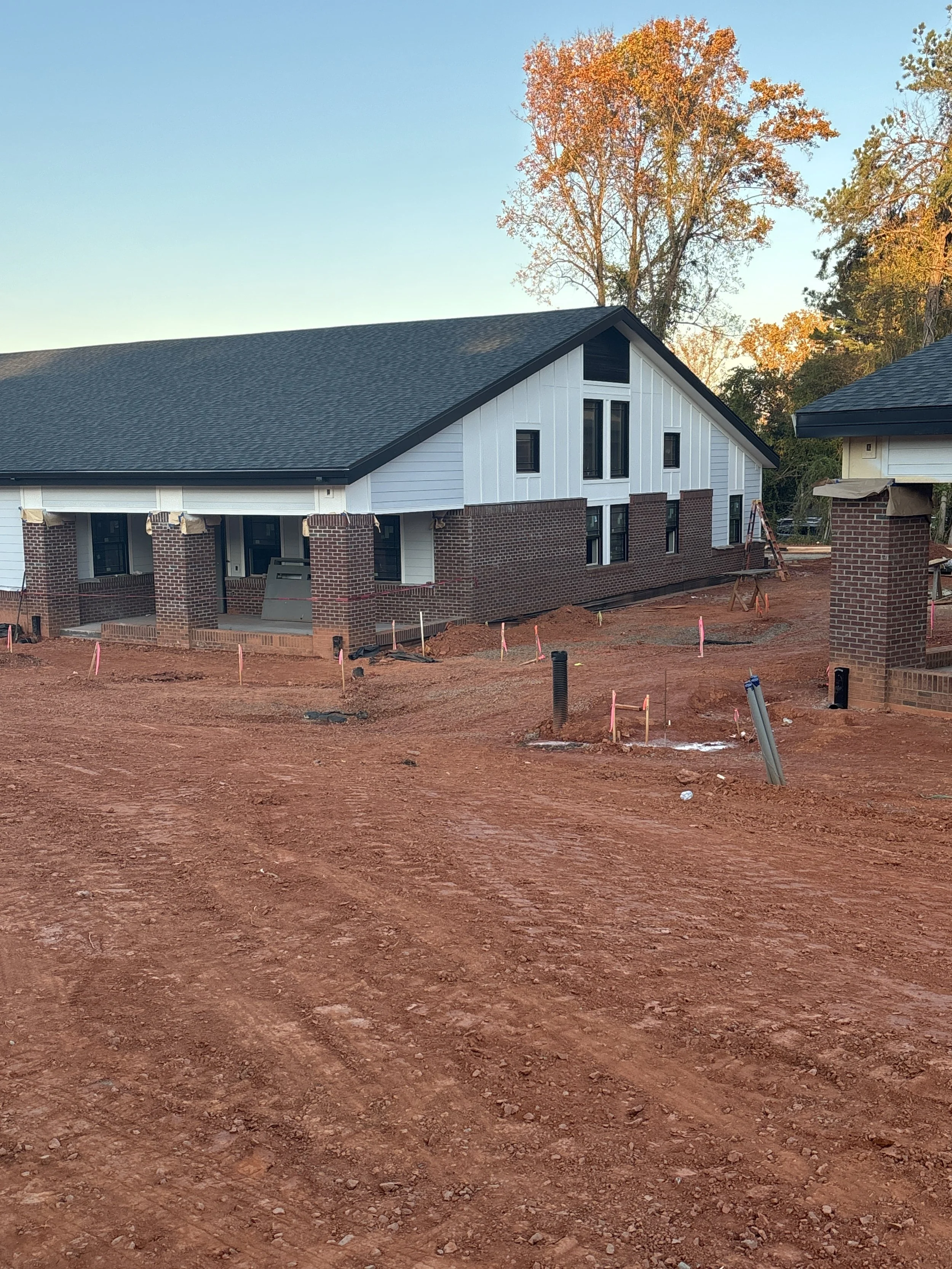
BELMONT — Holy Angels is in the final stages of Phase I of its largest expansion since it was founded 70 years ago.
Holy Angels, a nonprofit sponsored and founded by the Sisters of Mercy, is located on 17.5 acres and provides care for 80 residents, ranging from 3 years old to 82, who have intellectual and developmental disabilities.
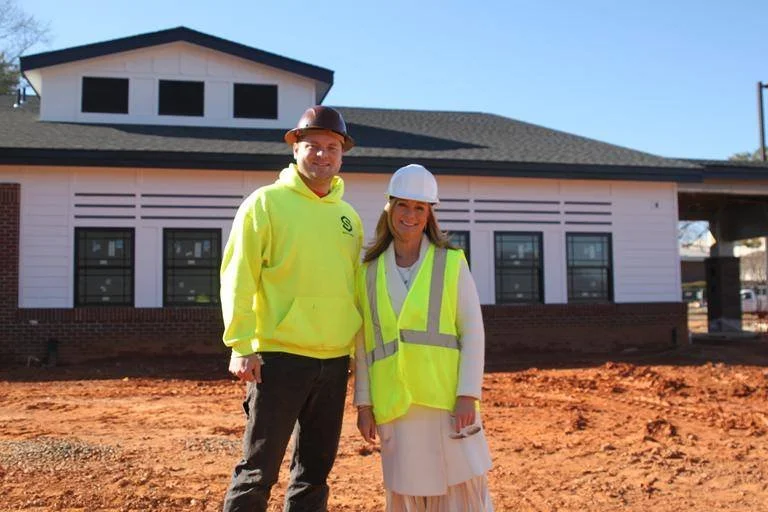
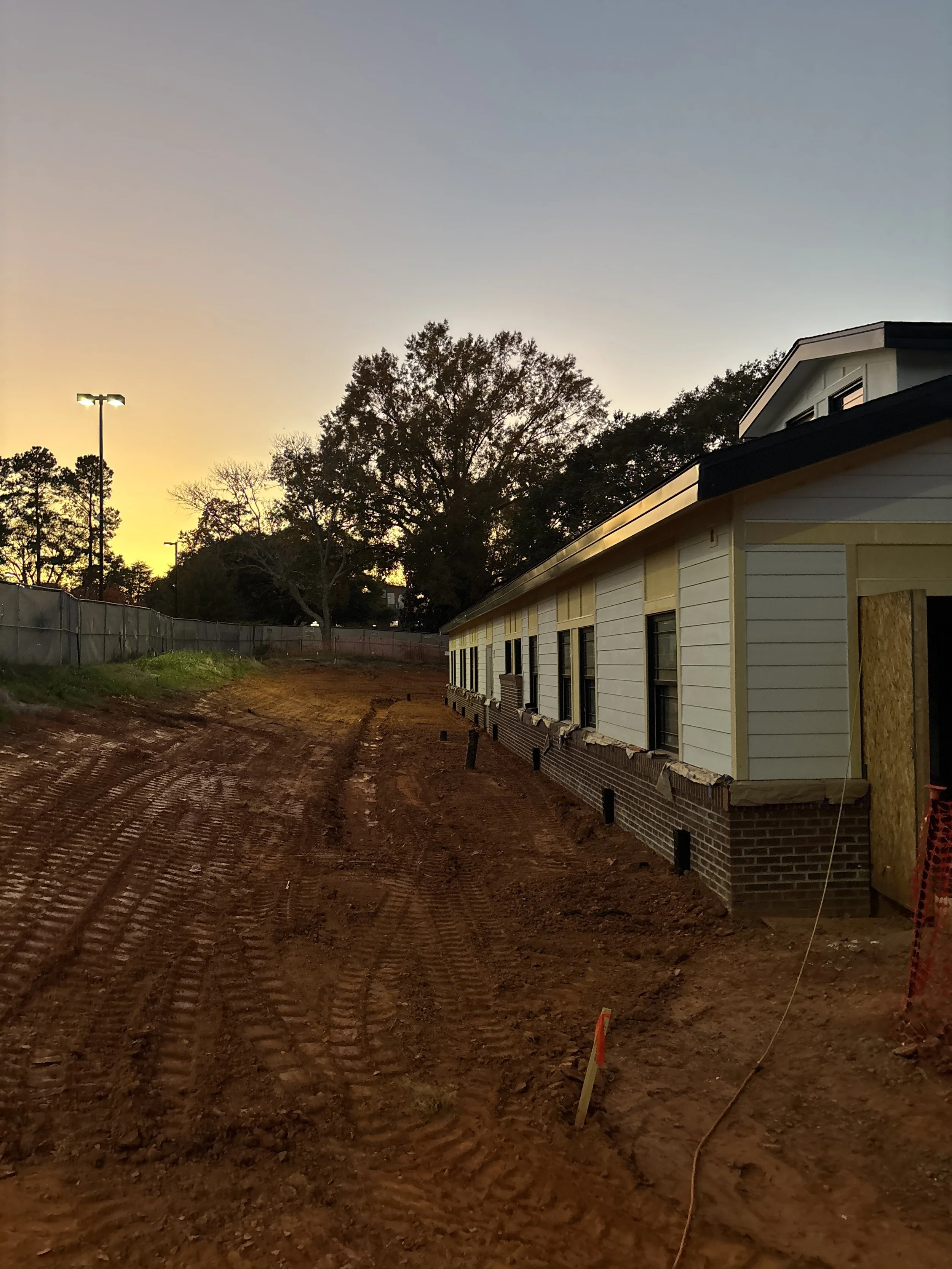
The first phase of the $21 million Children’s Campus Expansion, led by general contractor Southside Constructors and designed by architectural firm Boomerang Design, is projected to be completed this spring.
The forward-thinking plans were in the works for more than a decade, thanks to Emeritus President Regina Moody. Despite her 2022 retirement, she worked two days a week alongside President and Chief Executive Officer Kerri Massey to see the project through.
“This was really Regina’s vision 13 years ago, and to see it come to fruition and for me to carry it forward is really something that is meaningful and exciting,” Massey said.
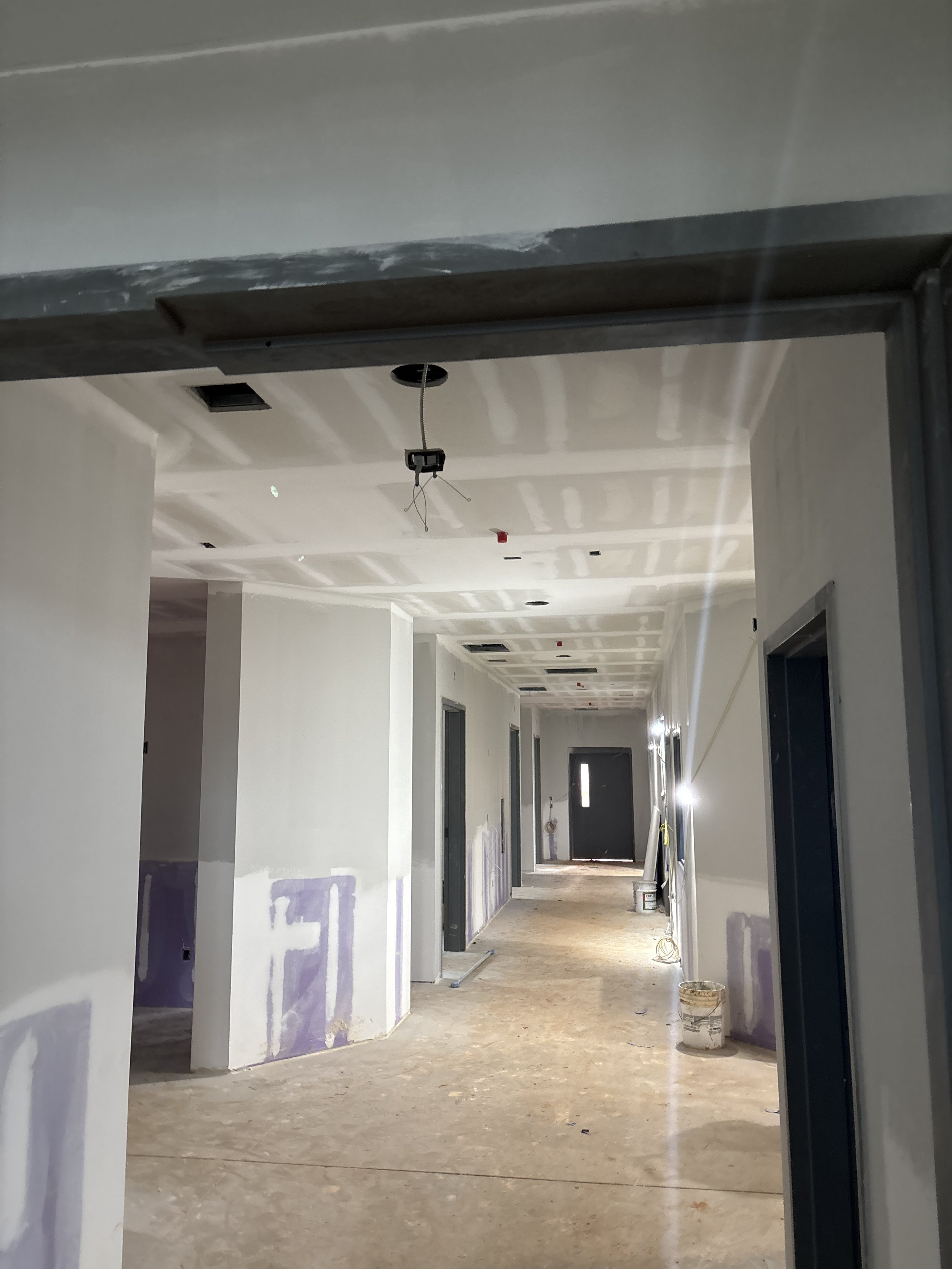
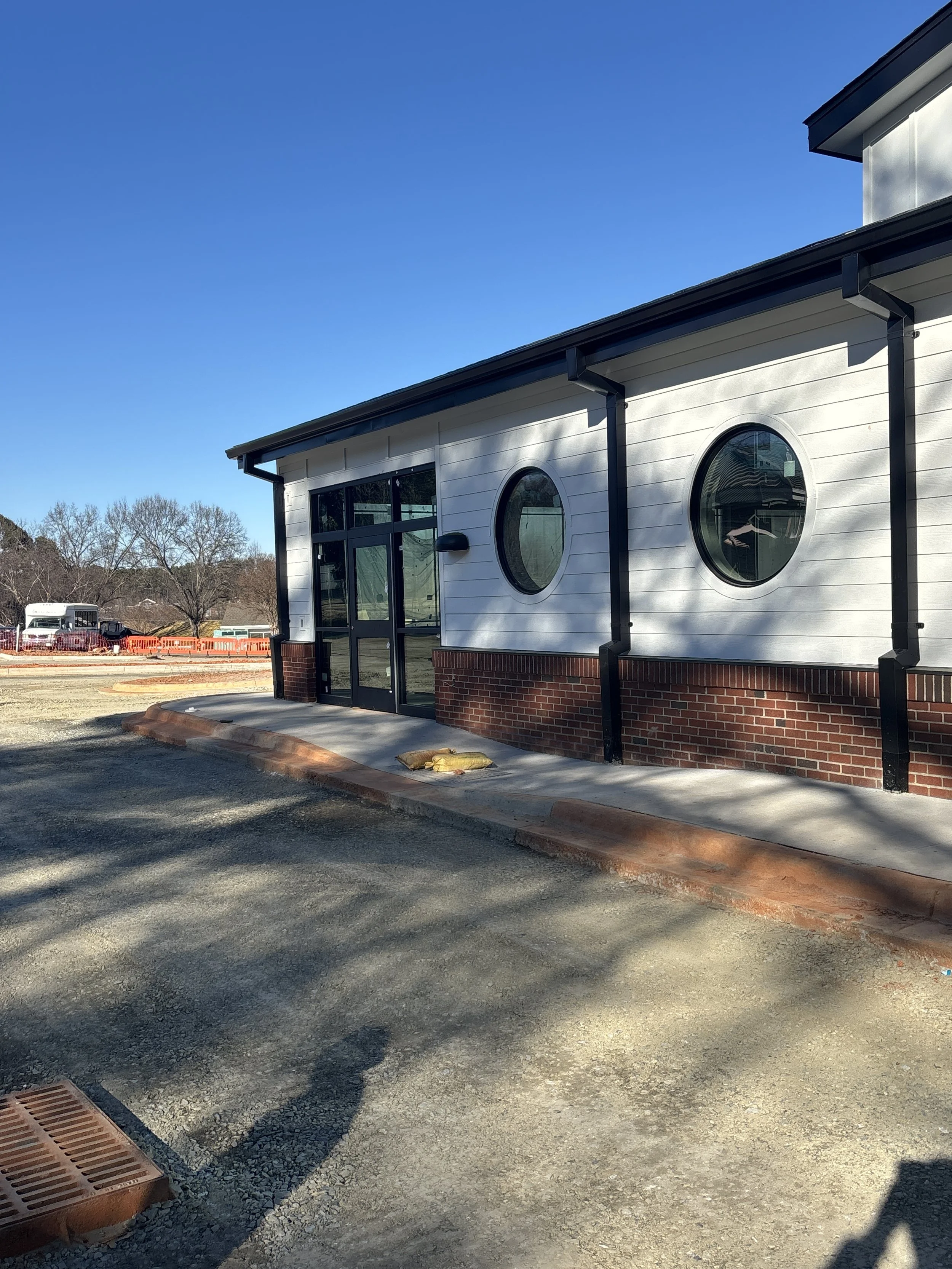
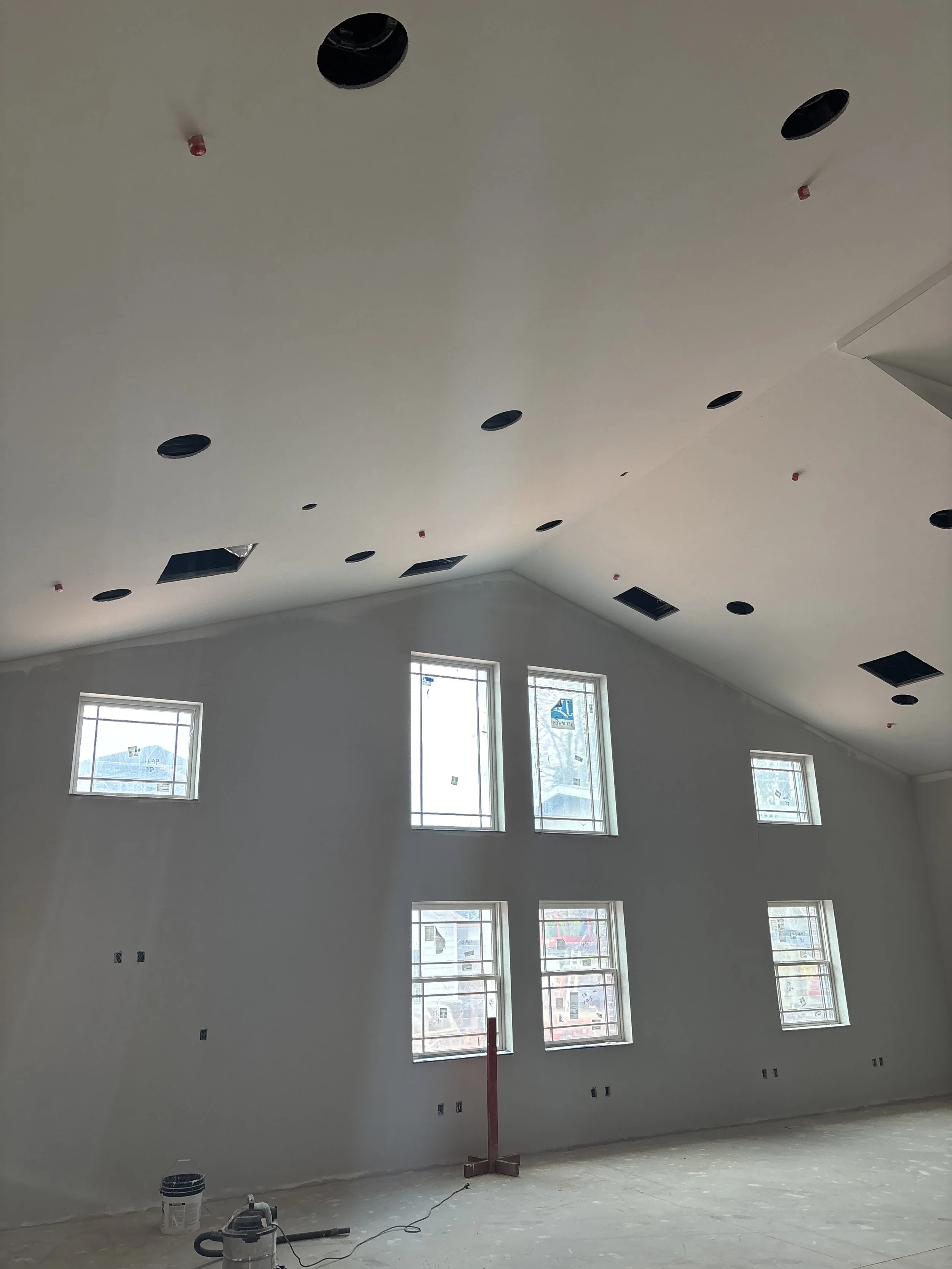
The undertaking will add three 6,000-square-foot, six-bedroom, ranch-style residential homes designed for the most medically fragile residents and a 10,000-square-foot community center.
The new homes were designed for the 18 residents under the age of 18 who currently live at the Morrow Center, where they receive 24-hour care.
“The Morrow building is really nice, but it is over 50 years old,” Massey said. “It is a little antiquated in a lot of areas, including the infrastructure, so we are excited to be in these brand-new homes. It is just going to be such a happy place for our residents to live.”
Most minor residents are wheelchair-bound and non-verbal, dependent upon gastrostomy tubes for nutritional needs and iPads and other devices for communication.
Massey said, “To see these children able to move into a home that is innovative and is going to meet their needs and is theirs, truly a house that they get to call home, means a lot.”
Each resident will have a 162-square-foot bedroom with built-in storage and work areas, lots of natural light, and a wheelchair parking space.
“We want to make sure we are honoring their preference and their dignity in their new home,” Massey said. “We want them to choose their own room, what it looks like, what pictures they hang on the wall, what color the bedspreads are, and all those things.”
Each home has a great room where residents will eat meals, a patio area and a sensory room with bubble columns, LED lights, aromatherapy and wall-sized LCD screens.
As Massey explains, staff can use the technology in the space to create virtual experiences, such as camping trips.
“We can put a campfire on the screen, we can bring in aromatherapy that smells like s’mores and fire, and we can bring in trees and wood, let them touch the nature, and create a real experience for them, all from inside the home,” Massey said. “Many residents have cortical blindness, so they can’t see a lot, but what we found through research is that they do experience that light and those bubbles.”
The technology updates extend to medical care. Residents on tracheostomy tubes at the Morrow Center are reliant upon oxygen tanks. The new main residence will have oxygen piped into the walls for instant, safe access. This home will also have a clinical area, with a nurse providing 24/7 care in all three homes.
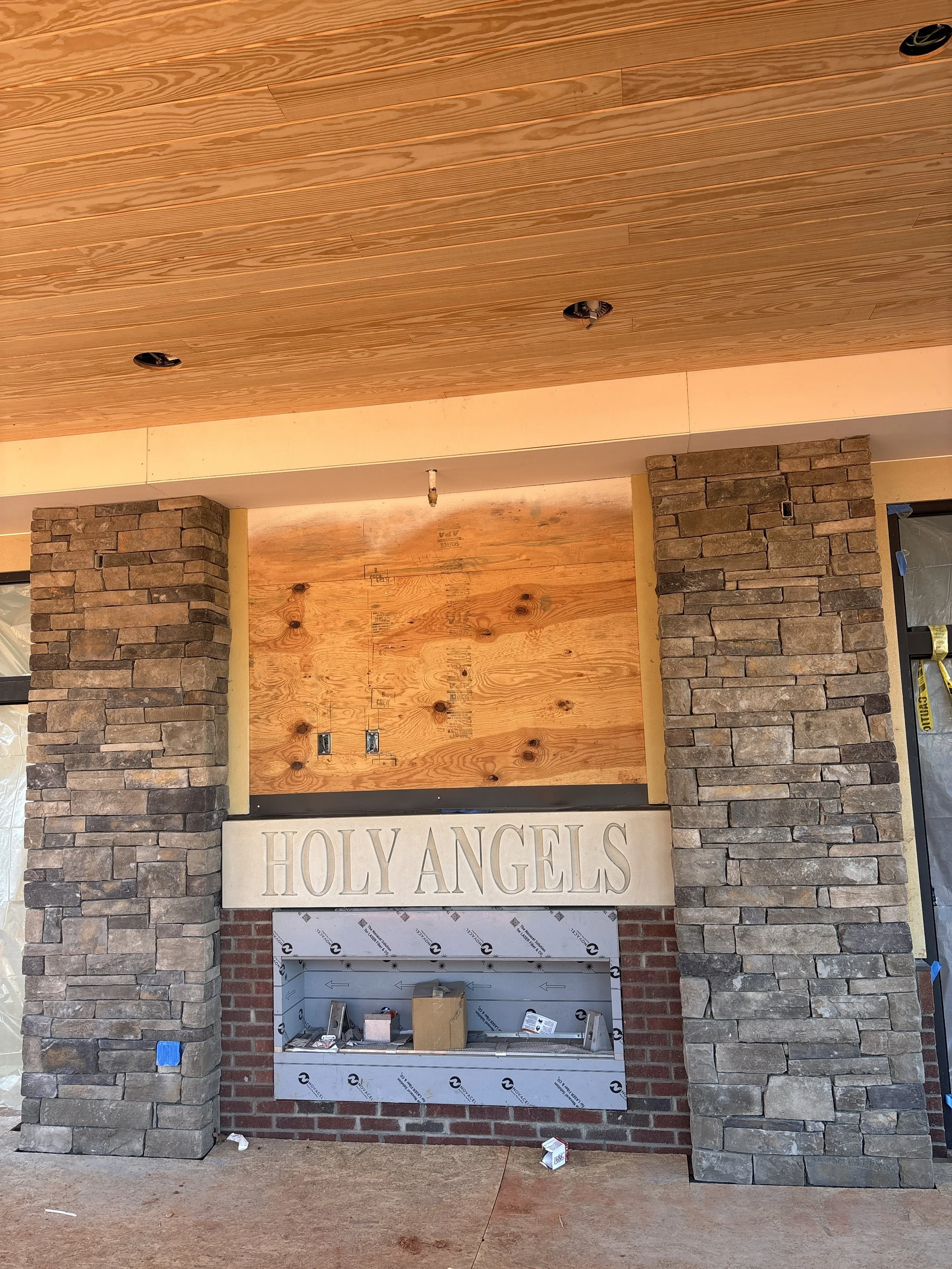
The community center will be the largest interior gathering spot on campus, accommodating up to 150 guests. The room boasts 24-foot wood-paneled ceilings and a large outdoor area with a fireplace.
“This is really going to be a place we will be able to bring our community in and gather so we can tell our story to the outside,” Massey said.
The center will include a commercial kitchen with a walk-in freezer and cooler where chefs will have more freedom to create the more than 90,000 individualized meals they serve each year to suit all residents’ dietary needs.
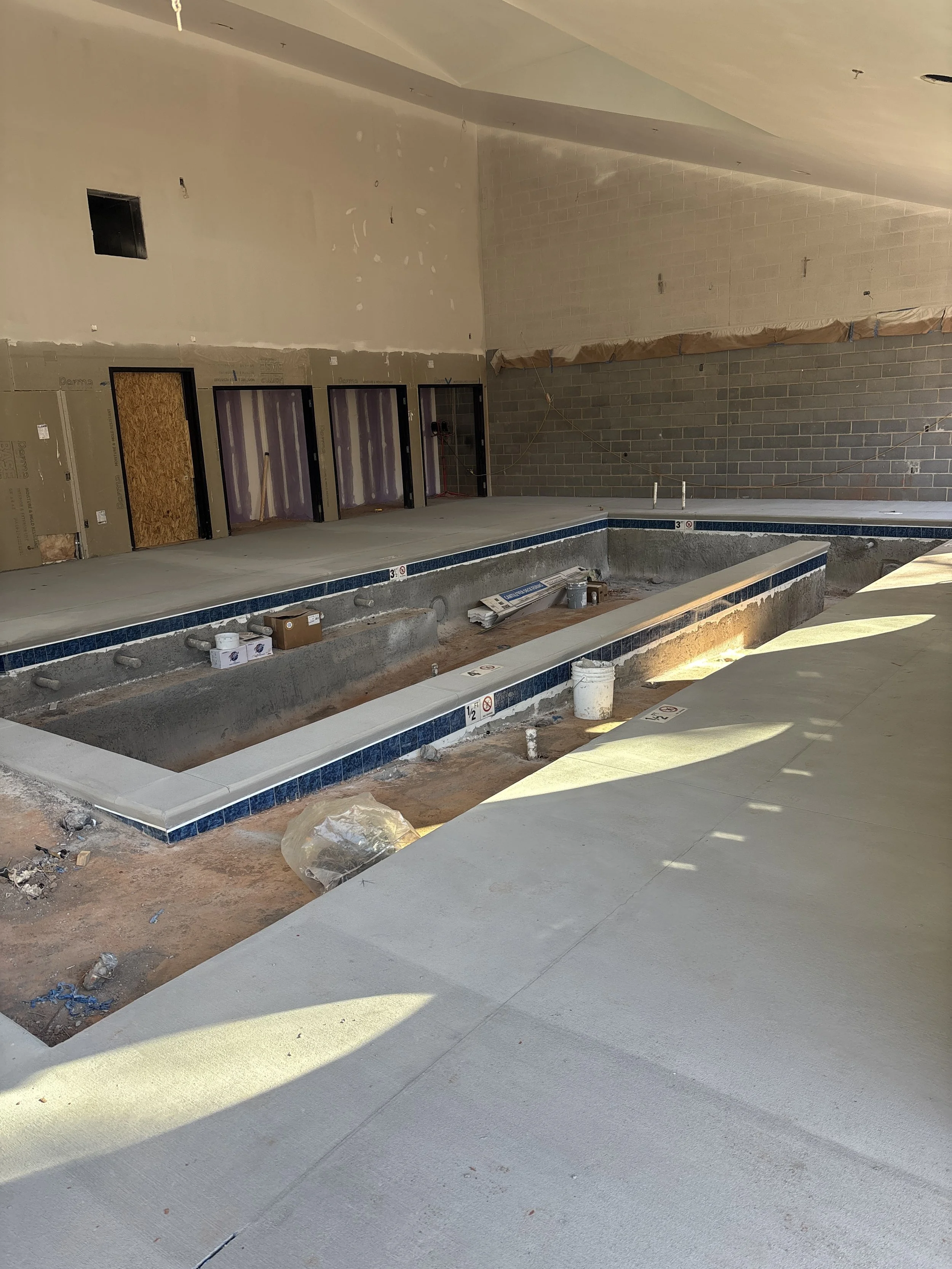
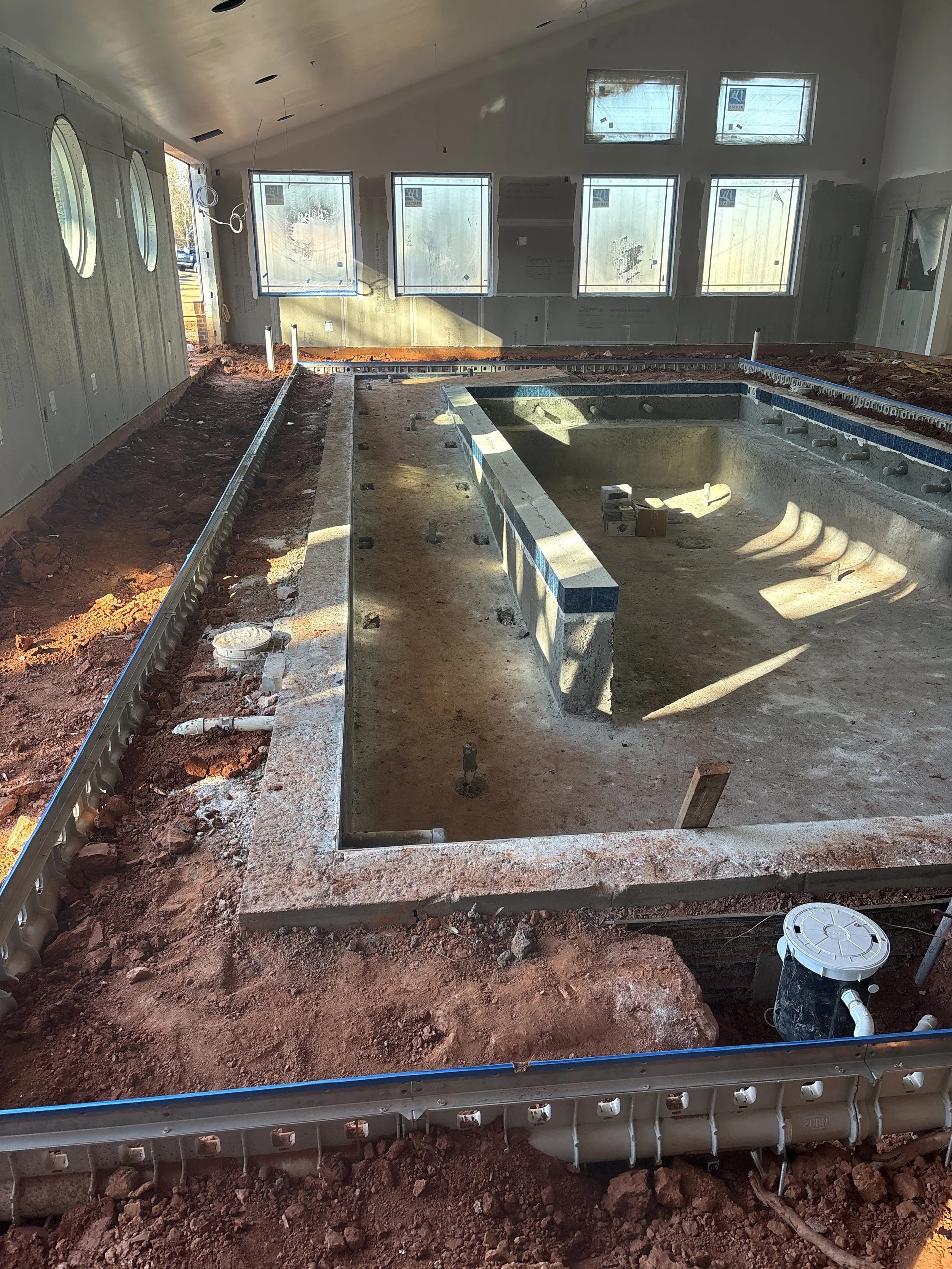
And, for the first time, residents will have an indoor therapeutic pool.
“The pool is not just for fun and splashing, but for someone in a wheelchair, that is an opportunity for that individual to have a range of motion they have not been able to experience before,” Massey noted.
All three homes will be connected with covered walkways and access to a courtyard with a fountain.
“The fountain is in memory of one of our long-time residents that passed away,” Massey said. “Her family wanted to remember her through a gift because she loved being outside and socializing.”
This past Dec. 20 marked the organization’s 70th year. The anniversary coincides with the birthday of the first resident, Maria Morrow, who would have turned 70 this year. Like many residents, she lived well past her life expectancy of only three months, “earning her angel wings” at 54 years old.
Maria’s legacy is mirrored in the hearts of residents who share similar specialized needs and live at the same home that provided her with dignity and love.
The young angels are expected to relocate to their new homes this summer. Phase II of the project – a $6.5 million learning center where the children will eventually attend school – is slated to break ground in March.
After the move, the existing Morrow Center will be used as a skilled nursing facility for aging residents.
“We really want to have a model that is truly serving from cradle to grave,” Massey said. “We want to be able to care for our residents in the same home where they have always been living until their end of life.”